Discover PNW E-Waste Recycling Services
Top Benefits of Professional eWaste Disposal: What You Need to Know
The disposal of e-waste is a vital issue in the current digital age. Professional electronic waste removal providers not only safeguard the ecosystem but also guarantee compliance with standards. They address information protection issues and streamline the disposal process, which can greatly affect both costs and corporate reputation. Understanding the diverse benefits of these solutions is crucial for companies aiming to handle their electronic waste sustainably. What important considerations should businesses evaluate when selecting a disposal service?
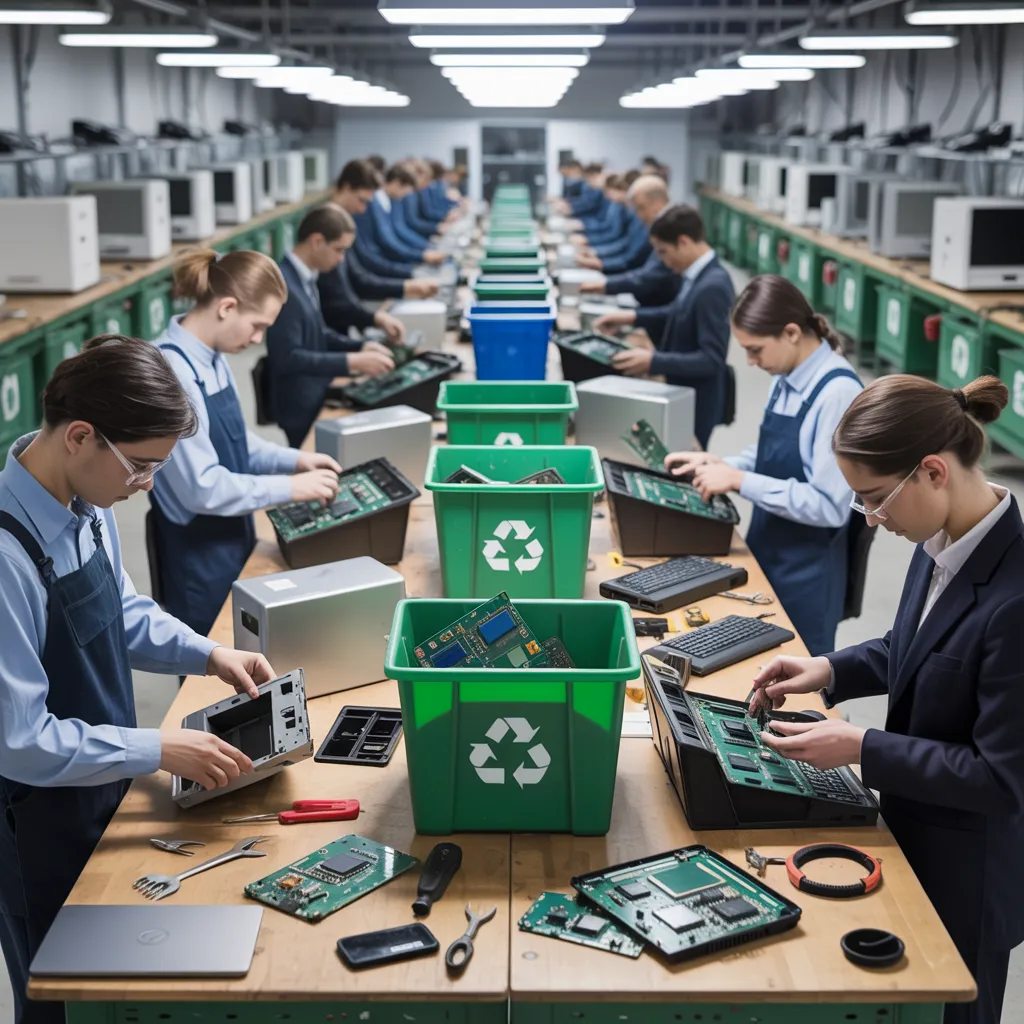
Why E-Waste Disposal Is Important for the Environment
Although technology advances swiftly, the environmental consequence of electronic waste constitutes a critical matter. E-waste, which embraces unwanted electronics like smartphones, computers, and televisions, regularly possesses hazardous materials such as lead, mercury, and cadmium. When improperly handled, these substances can leach into soil and water sources, generating significant health dangers to ecosystems and human populations.
In addition, electronic waste adds to the worsening landfill problem, where useful resources are thrown away. Recycling and proper disposal serve to alleviate these issues by extracting materials such as metals and plastics, cutting the reliance on virgin resources. Expert e-waste disposal services maintain compliance with environmental standards, facilitating responsible management of electronic waste. By making proper e-waste disposal a priority, individuals and businesses can take a key role in defending the environment, saving resources, and encouraging a sustainable future. Such methods are key for reducing the environmental footprint of a tech-focused society.
The Function of Conformity in E-Waste Handling Regulations
Adhering to e-waste disposal regulations is crucial in establishing a legal framework that controls the handling of e-waste. These regulations not only ensure that companies comply with environmental standards but also reduce the negative effects of incorrect handling on environmental systems. Understanding the overlap of legal requirements and environmental considerations is necessary for effective e-waste management.
Legal Standards Breakdown
The legal structure overseeing e-waste management is crucial for promoting sustainable operations. Multiple regulations, including the Resource Conservation and Recovery Act (RCRA) in the United States, set forth guidelines for the treatment and management of electronic waste. These laws seek to mitigate safety hazards and ecological dangers linked to improper management. Compliance with these regulations not only safeguards public health but also fosters responsibility among manufacturers and consumers. Additionally, global treaties, such as the Basel Convention, highlight the need for responsible e-waste handling on a worldwide scale. Companies must remain aware about these regulatory obligations to prevent fines and promote sustainable practices. Comprehending this structure is essential for any organization involved in e-waste management.
Environmental Impact Concerns
Poor disposal of e-waste creates serious environmental risks, making adherence with disposal requirements an vital factor in minimizing these hazards. Electronic equipment typically contain toxic substances, such as lead and mercury, which can permeate into soil and water, affecting ecosystems and public health. Complying to e-waste disposal regulations guarantees that hazardous materials are handled safely, decreasing the probability of environmental contamination. Furthermore, compliance promotes the recovery of valuable materials, advancing sustainability and resource conservation. Organizations that prioritize compliance with regulations not only contribute in environmental protection but also enhance their reputation. As consciousness of e-waste issues grows, compliance becomes progressively essential for businesses and individuals working to lessen their ecological footprint and support responsible disposal practices.
How Professional Services Maintain Protected Treatment of Toxic Materials
Numerous organizations confront the challenge of managing hazardous materials present in electronic waste, making professional services critical for safe disposal. These services are furnished with the expertise and resources necessary to handle toxic substances, such as lead, mercury, and cadmium, which are commonly found in outdated electronics. Professionals follow stringent regulations and guidelines to guarantee compliance with environmental laws, lowering the risk of contamination and harm.
Furthermore, skilled technicians utilize specialized equipment and techniques to safely break down and process electronic components. This process minimizes exposure to hazardous materials, safeguarding both workers and the community. Professional services also offer proper documentation, ensuring accountability in the disposal chain. By delegating e-waste disposal to qualified specialists, organizations can reduce potential liabilities and contribute to sustainable practices, fostering a safer environment for all. Consequently, professional e-waste disposal is not only a legal necessity but also a responsible choice for managing hazardous materials.
Data Security: Why Professional E-Waste Removal Matters
Safeguarding data security serves as a paramount issue for institutions disposing of electronic waste. Aging hardware frequently harbor sensitive information, encompassing private records, business secrets, and financial records. Improper disposal could lead to data breaches, exposing organizations at risk of legal liabilities and corporate harm. Certified disposal specialists utilize standardized approaches to securely erase data from devices, confirming permanent deletion.
These offerings consistently follow strict regulatory guidelines, like GDPR and HIPAA, which require the secure management of sensitive information. Organizations that entrust e-waste disposal to experts mitigate dangers associated with data theft and unauthorized access. Furthermore, these experts provide records that confirms proper data destruction, offering peace of mind to companies focused on their data security. In a time when cyber threats are widespread, prioritizing professional e-waste disposal is essential for safeguarding sensitive information and upholding trust with clients and stakeholders.
Perfecting Your E-Waste Treatment Workflow
Streamlining the e-waste disposal process entails establishing effective gathering techniques and straightforward categorization systems. These practices not only enhance operational efficiency but also guarantee secure waste management protocols are followed. By optimizing these steps, organizations can substantially decrease their environmental impact and improve adherence with regulations.
Improved Collection Processes
Effective retrieval strategies serve a vital purpose in streamlining the e-waste disposal process. Through the use of scheduled pickups and specific drop-off points, organizations can drastically reduce the obstacles for consumers to responsibly dispose of their electronic waste. Using specialized collection vehicles and qualified personnel secures safe and secure handling of e-waste, lowering the risk of environmental pollution. Furthermore, partnerships with local businesses and community organizations can boost outreach efforts, encouraging broader participation in recycling programs. Advanced tracking systems can also be employed to monitor collection rates and identify trends, facilitating continuous improvement in disposal strategies. Ultimately, these efficient collection methods contribute to a more sustainable approach to managing electronic waste, benefiting both the environment and local communities.
Simplified Sorting Procedures
Actions to fortify optimized gathering techniques logically create the necessity for streamlined organizational methods. Optimizing the sorting process significantly reduces the time and labor involved with e-waste disposal. By putting into place clear categorization systems, organizations can effortlessly detect and segregate various types of electronic waste, such as computers, mobile devices, and appliances. This not only accelerates the disposal process but also reduces the risk of material contamination among different materials. Additionally, simplified sorting reduces the burden on workers, allowing them to focus on legal requirements and safety protocols. Ultimately, efficient sorting procedures ensure that e-waste is addressed responsibly, setting the stage for appropriate management and recovery, while also supporting overall environmental sustainability.
Protected Material Recovery Techniques
Implementing secure recycling techniques is essential for proper e-waste disposal. Professionals in the field emphasize methods that reduce environmental impact and guarantee compliance with regulations. This includes the proper segregation of components, such as metals, plastics, and hazardous components, to facilitate efficient recycling. By employing certified recycling facilities, e-waste is processed with the utmost care, reducing the risk of toxic substances contaminating the environment. Additionally, safe practices encourage the recovery of valuable materials, contributing to a circular economy. Organizations that adopt these practices not only protect the environment but also enhance their reputation as responsible corporate citizens. Ultimately, adopting safe recycling practices simplifies the process of e-waste disposal, ensuring sustainability and compliance with legal standards.
Budget Gains of Professional E-Waste Elimination
Many organizations realize that professional e-waste disposal can substantially lower long-term costs associated with handling obsolete electronics. By outsourcing find details about e-waste management, organizations reduce expenses connected with storage, handling, and potential fines for improper disposal. Professional services often include collection, transportation, and recycling, simplifying operations and decreasing labor costs.
Additionally, certified e-waste processing vendors guarantee adherence with ecological regulations, supporting enterprises avoid hefty penalties that arise from non-compliance. This preventive approach not only mitigates economic setbacks but also improves the company's reputation as an green-minded organization.
Additionally, many electronic waste removal companies provide data destruction, safeguarding confidential data and eliminating the risk of security breaches that could result in costly legal ramifications. Ultimately, spending on professional e-waste disposal translates into substantial cost reductions, emphasizing the necessity of adopting a strategic approach to electronic waste management.
Selecting a trustworthy E-Waste Removal Service?
How can companies guarantee they choose a reputable e-waste disposal service? First, they should verify certifications and adherence with local regulations, guaranteeing the service adheres to environmental standards. A credible provider will have qualifications such as R2 or e-Stewards, which demonstrate responsible waste management practices.
Next, firms should explore the service's experience and track record. Reviews and testimonials can deliver insight into the trustworthiness and standard of service. Additionally, a reputable company will present open pricing models and clearly outline their management methods.
It is also vital to examine data security practices. A credible service should assure the thorough elimination of classified data on devices. Finally, businesses may reap benefits from opting for a service that furnishes ancillary services, such as asset recovery or refurbishment, improving overall value. By pursuing this approach, businesses can assuredly pick a credible e-waste disposal partner that aligns with their sustainability goals.
Frequently Requested Questions
What Varieties of Electronic Items Can Be Discarded Professionally?
Professionally handled electronics include computers, monitors, televisions, printers, smartphones, tablets, and other devices containing circuit boards or batteries. Proper disposal assures hazardous materials are controlled safely, supporting environmental responsibility and compliance with regulations.
When Should Enterprises Remove E-Waste Regularly?
Companies should eliminate e-waste once per year minimum, or more frequently based on their quantity of obsolete electronics. Frequent removal helps minimize environmental damage and ensures adherence with requirements regarding toxic substances.
Are there any tax incentives for electronic waste recycling?
Tax incentives for e-waste recycling are presented in multiple formats, including credits and deductions. These incentives encourage businesses to responsibly recycle, reducing ecological consequences while possibly reducing their tax liabilities through participation in approved recycling initiatives.
Can Non-profit Institutions Gain Benefits From E-Waste Recycling Services?
Non-profit institutions can truly reap the benefits of e-waste disposal offerings. These offerings often provide cost-effective approaches, foster environmental responsibility, and may open fundraising channels through relationships, enhancing their community engagement and sustainability initiatives.
Where Does E-Waste Get Sent Following Commercial Disposal?
Upon proper treatment, e-waste is ordinarily deconstructed, with recyclable materials divided. Hazardous substances are responsibly managed, while reusable components are reconditioned or reallocated, ensuring planetary protection and fostering material stewardship in a sustainable manner.